Galangal
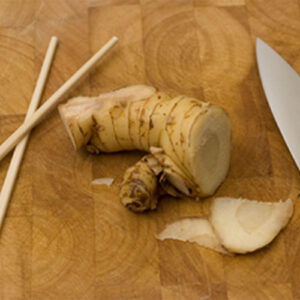
Piano non troppo via https://commons.wikimedia.org/
Group: Balsamic, Herbal
Galangal is the aromatic rhizome of plants in the ginger family, Zingiberaceae. For gin production, the name most commonly refers to greater galangal (Alpinia galanga), although related species such as lesser galangal (Alpinia officinarum) are also used. Greater galangal is sometimes known as Siamese ginger or Thai ginger.
The rhizome has a distinctive pungent, spicy and aromatic character, with flavours that can suggest ginger, citrus, black pepper and pine. This makes it an intriguing botanical for gin, where it can introduce warmth and spice while complementing the resinous character of juniper.
In a gin recipe, galangal can provide a lively, spicy middle palate and help connect traditional juniper-led botanicals with more contemporary citrus and exotic ingredients. It works particularly well alongside citrus peel, coriander, cardamom and other warming spices.
Galangal is normally used as a fresh or dried rhizome. Fresh galangal tends to offer a brighter and more vibrant aromatic profile, while dried rhizome can provide a deeper, more concentrated spicy character. It may be sliced, chopped or ground before being introduced into the distillation process. As with other assertive spices, careful dosing is important to prevent its pungency from overwhelming the juniper and other botanicals.
Galangal has a long history of use beyond distilling. It is an important ingredient in Southeast Asian cuisines, particularly in Thailand, Indonesia, Malaysia, Vietnam and Cambodia, where the fresh rhizome is used in curries, soups and spice pastes. It has also been used traditionally in herbal preparations and is found in flavourings, liqueurs and other beverages.
For gin makers, galangal offers an appealing combination of warmth, pungency, citrus-like freshness and exotic spice, providing complexity while remaining naturally compatible with juniper.
| Latin name: | Alpinia galanga (greater galangal) |
| Origin: | Southern China to western and central Malesia, with a long history of cultivation in Southeast Asia |
| Harvest time: | Rhizomes can be harvested throughout the year, depending on growing conditions |
| How is it harvested: | The underground rhizomes are dug from the soil, cleaned and used fresh or dried |
| Other uses: | Southeast Asian cuisine, traditional herbal preparations, flavouring, liqueurs and other beverages |