

Cacao (Cocoa)
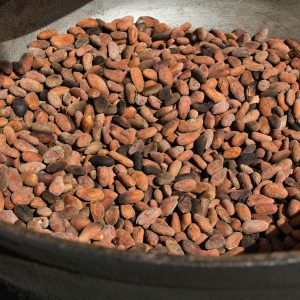
Cocoa beans, more commonly associated with chocolate, are an increasingly intriguing addition to the gin maker’s palette of botanicals. When used in distillation, cocoa contributes far more than sweetness: it brings layers of warmth, complexity, and subtle bitterness that can balance and enhance traditional gin flavours.
The beans, derived from the seeds of the cacao tree, are typically roasted and cracked before use. Depending on their origin and degree of roast, they can offer notes ranging from nutty and earthy through to deep dark chocolate, coffee, or even a hint of red fruit. In the still, cocoa interacts well with classic botanicals such as juniper, coriander, and angelica, creating a rounded mouthfeel and a sophisticated depth of flavour.
Cocoa works particularly well in gins designed for sipping or for use in richer cocktails, where its character adds a luxurious edge. Distillers may choose to use the nibs during maceration, vapour infusion, or as part of a post-distillation steep, each method influencing the intensity and balance of flavour.
As consumer tastes evolve toward more adventurous and indulgent profiles, cocoa has emerged as a versatile, premium botanical—one that bridges the familiar world of chocolate with the craft and creativity of modern gin.
Cacao beans are the seeds of the Theobroma cacao tree. This is the botanical term, and it’s often used when talking about the raw or minimally processed product (pods, beans, nibs).
Cocoa beans is more of a common or commercial term, usually referring to those same beans once they’ve been fermented, dried, and roasted. In other words, cacao becomes cocoa through processing.
So, they both refer to the seeds of the same plant, but “cacao” highlights the raw, natural state, while “cocoa” usually implies roasting and preparation for chocolate or other uses.
In distilling, people often use roasted cacao nibs (sometimes described as cocoa nibs) as a gin botanical — the flavour is deeper and more expressive after roasting.

